
Digital Stamp Platform Review for Coffee Shops
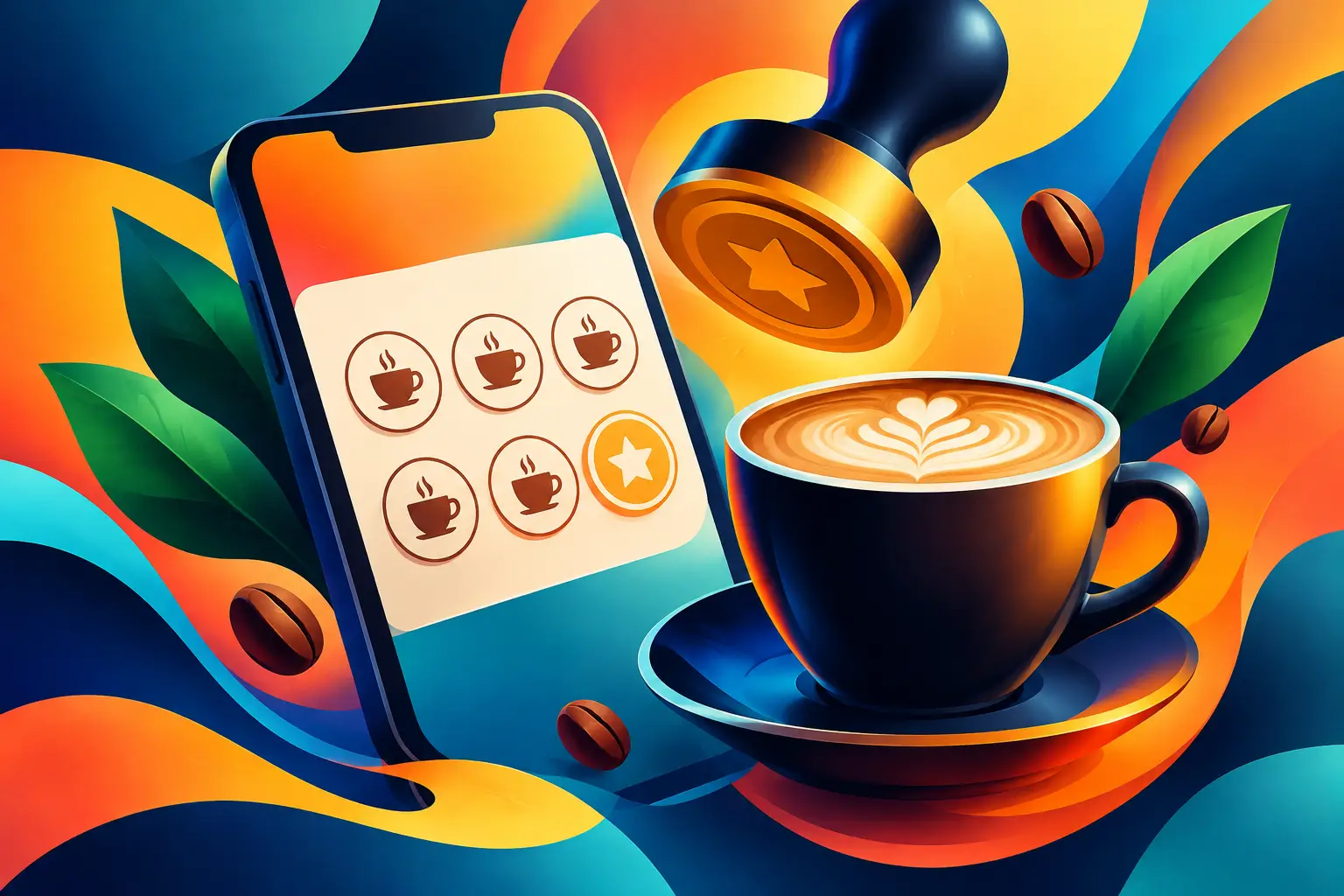
A paper punch card works until it does not. Customers leave it at home, cards get damaged, stamps vary by staff member, and regulars lose progress when a card disappears. This digital stamp platform review is built for coffee shop owners who want the familiar appeal of a buy-more, earn-more reward without adding another slow step at the counter.
The right platform should make loyalty easier to join, easier to track, and easier to redeem. For a busy café, that matters more than flashy marketing features. Your staff needs a process they can use during the morning rush, and your customers need a reward program that lives where they already look: on their phones.
What a Digital Stamp Platform Should Do
At its core, a digital stamp platform replaces the physical punch card with a mobile record of customer visits or qualifying purchases. A guest buys a drink, receives a digital stamp, and earns a reward after reaching a milestone you set, such as a free coffee after nine purchases.
That basic mechanic is simple for a reason. Customers already understand it. The better systems preserve that simplicity while removing the weak points of paper cards: forgotten cards, manual counting, printing costs, and uneven tracking.
For coffee shops, the platform should also fit the pace of service. A loyalty program that requires several screens, lengthy sign-ups, or staff troubleshooting can create more friction than value. Look for a setup that lets customers participate quickly and lets employees confirm rewards without stopping the line.
Some platforms go beyond digital stamps by adding advance ordering, customer messaging, or reporting. Those features can be useful, but only if they solve a real operational need. A café with a strong morning rush may get significant value from mobile ordering. A small neighborhood shop may care more about a clean loyalty experience and predictable monthly pricing. The best choice depends on how your business runs, not on the longest feature list.
Digital Stamp Platform Review: The Criteria That Matter
A useful review starts with the everyday customer journey, not the software dashboard. Ask what happens from the moment a new guest hears about your loyalty program to the moment they redeem their reward.
Customer enrollment should take seconds
A digital program only improves participation if customers actually join. The enrollment process should be clear enough to explain in one sentence at the register. If guests must download an unfamiliar app, create a detailed profile, confirm multiple messages, and remember another password, many will skip it.
Mobile-first access is especially valuable for coffee shops because customers tend to visit on routine. They are ordering on the way to work, between meetings, or while running errands. They need to see their progress quickly, without searching through a wallet for a paper card.
Consider how you will introduce the program. A small countertop sign, a line on the menu, and a simple staff prompt can work well: “Are you collecting stamps with us?” The platform should support that natural conversation rather than turn it into a sales pitch.
Staff workflow must hold up at 8 a.m.
Many loyalty tools look good in a demo when the café is quiet. The real test is whether they work while espresso machines are running, orders are being called, and six people are waiting for lattes.
Evaluate how staff add stamps, find a customer, and verify a reward. Each step should be fast and consistent. Training should not depend on one manager knowing the system inside out. If a new barista can understand the basics within a short shift, you are on the right track.
It is also worth asking how exceptions are handled. What happens if a customer says they did not receive a stamp? Can a manager make an adjustment? Is there a clear record of redemptions? A practical platform gives you enough oversight to resolve issues fairly without making every small correction a major task.
Rewards should encourage the behavior you want
A free drink after a set number of purchases is popular because it is easy to understand and feels achievable. But the reward structure should reflect your margins and customer habits.
If your average regular buys a coffee two or three times a week, a reward after ten visits creates a reachable goal without giving away too much too quickly. If you are trying to build lunch traffic, you may want the qualifying purchase to include food or a higher minimum spend. There is no universal number. The right threshold balances repeat visits, perceived value, and cost.
Keep the offer visible. Customers are more likely to return when they can see they are close to a reward. That is one advantage digital stamps have over paper cards tucked into a drawer: progress is available on the customer’s phone at the moment they decide where to buy coffee.
Ordering can add value, but it is a separate decision
Advance ordering is a strong addition for cafés serving commuters and office workers. It gives regulars a reason to choose your shop when time is tight: they can place an order ahead, arrive, and avoid the longest part of the morning queue.
Still, mobile ordering requires operational readiness. You need a clear pickup area, accurate menu availability, and a workflow that prevents advance orders from getting lost among in-person tickets. Before paying for ordering features, think through who monitors incoming orders and how your team communicates a completed pickup.
When loyalty and ordering work together, the experience can be especially effective. A customer orders from their phone, earns progress toward a reward, and has one less reason to choose a chain coffee shop for convenience. Coffee2GO is designed around this combination for beverage-led businesses, keeping the familiar digital stamp experience close to the daily ordering routine.
Questions to Ask During a Demo
Do not judge a platform by screenshots alone. Ask the provider to show the exact actions your team and customers will take. A focused demo reveals much more than a broad product tour.
Ask how a first-time customer enrolls, how a barista applies a stamp, how a reward is redeemed, and how staff correct a missed transaction. Then ask to see reporting for active members, completed rewards, repeat visits, and redemption activity. You do not need an enterprise analytics suite, but you should be able to tell whether the program is being used.
Pricing also deserves a plain answer. Look beyond the monthly subscription and clarify setup fees, device requirements, payment processing implications, contract length, support charges, and pricing changes as you add locations. Low entry pricing can be attractive, but it is only a good deal if the system remains usable and affordable as your customer base grows.
Finally, ask about support. Independent café operators cannot wait days for help when a loyalty issue is affecting service. Find out how support is reached, when it is available, and whether the provider understands the pace of hospitality businesses.
Common Mistakes When Going Digital
The first mistake is treating the program like a technology project instead of a customer habit. Your guests do not care about the software behind the counter. They care that joining is easy, their progress is accurate, and the reward feels worth coming back for.
The second is launching without staff buy-in. If your team does not mention the program or cannot explain it confidently, enrollment will stay low. Give employees a short script, explain why repeat customers matter, and make sure they know the redemption process before launch day.
The third is overcomplicating the reward. Multiple tiers, changing conditions, and hard-to-read exclusions can make a small café loyalty program feel like work. Start with one clear offer. You can adjust it later once you have real usage data.
How to Decide Whether the Platform Is Working
Do not expect loyalty to transform customer behavior overnight. Give the program enough time to reach regulars and collect meaningful activity, then look for signs that it is becoming part of the customer routine.
Useful signals include steady enrollment, customers returning to finish a stamp cycle, and a healthy number of reward redemptions. Very few redemptions may mean the target is too far away, customers do not know their progress, or staff are not promoting the program. A very high reward cost may mean the offer is too generous for your margin. Review the numbers alongside what your staff hears at the counter.
The strongest digital loyalty program is rarely the most complicated one. It is the one your regulars remember to use, your staff can support under pressure, and your business can sustain week after week. Choose a platform that makes returning feel easy, then give customers a clear reason to make your café part of their routine.