
How to Prevent Beverage Order Errors at Your Café
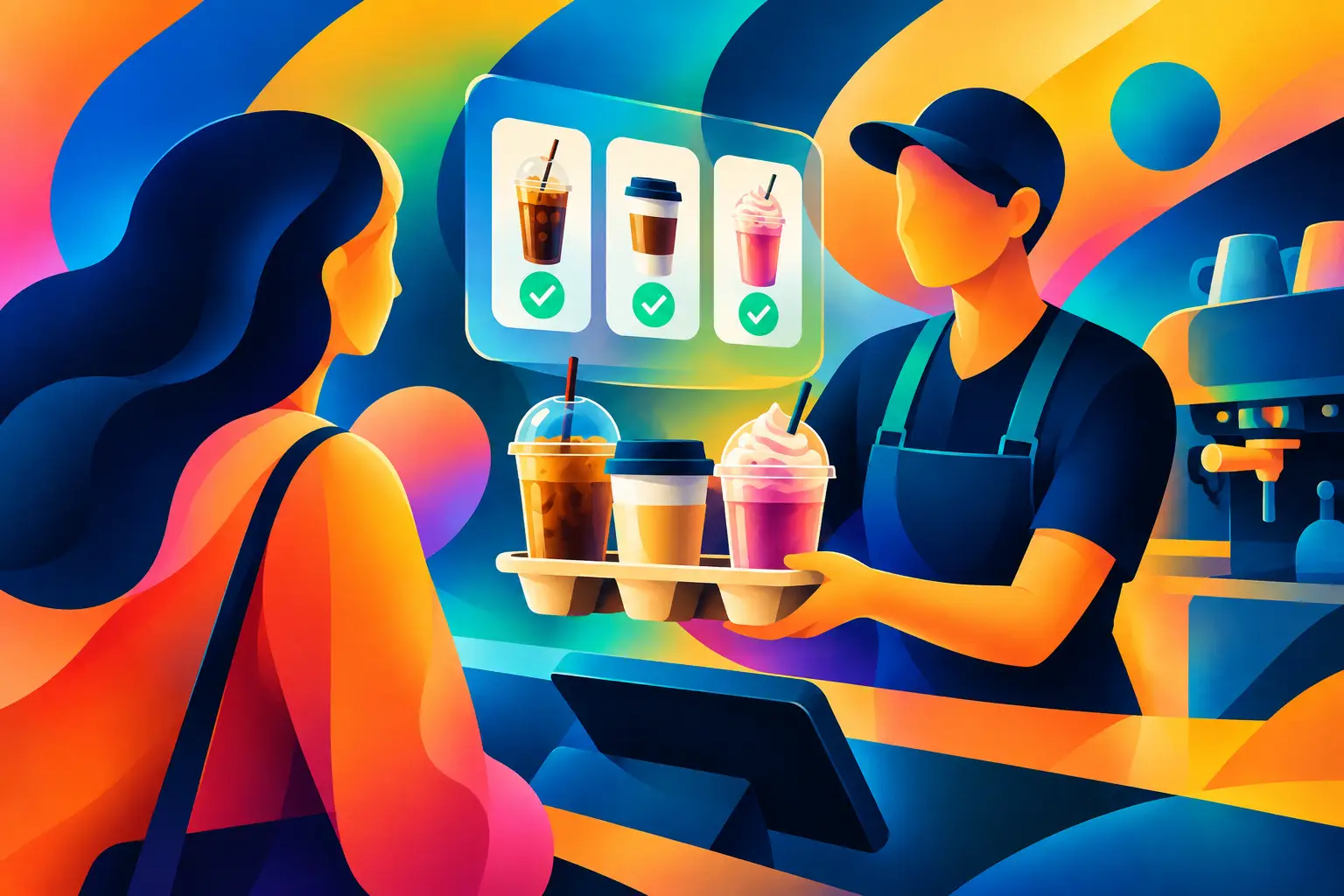
A wrong drink is rarely just a wrong drink. During a busy morning rush, it can mean a remake, a longer line, a frustrated customer, and a barista pulled away from the next five orders. Learning how to prevent beverage order errors starts with looking at the whole order journey - from the moment a customer speaks or taps their choice to the moment the cup reaches their hand.
For independent cafés, the goal is not to turn service into a complicated process. It is to make the correct order the easiest order to take, prepare, and hand off. Small changes to menus, communication, and ordering workflows can reduce costly mistakes without slowing your team down.
Why beverage order errors happen
Most drink mistakes are not caused by carelessness. They happen when information gets lost, rushed, or interpreted differently at each step. A customer may say a modification quietly. A cashier may hear "oat milk" but fail to enter it. A barista may see an abbreviation they do not use often. Two drinks with the same name may be waiting at the pickup counter.
The morning rush creates the perfect conditions for these gaps. Customers are watching the clock, staff are moving quickly, equipment is running, and several conversations may happen at once. A system that depends on everyone remembering every detail will eventually fail.
The most common trouble spots are customizations, similar drink names, unclear cup labels, verbal handoffs, and crowded pickup areas. If your café sees repeat errors in one of these areas, that is useful information. Fix the process around the error instead of asking staff to simply pay closer attention.
Make the menu easier to order correctly
A clear menu prevents confusion before an order ever reaches the bar. Customers should be able to see drink sizes, milk options, flavor choices, and pricing without needing a long back-and-forth at the register.
Keep names consistent across your menu, point of sale, online ordering, and staff language. If the menu says "vanilla latte," avoid having one team member call it a "vanilla coffee" and another enter it as a flavored latte. Consistent terms make training easier and reduce the chance that an order is interpreted differently at each station.
Too many choices can also create mistakes. Offering options matters, especially for regulars with dietary needs or strong preferences, but every extra customization adds complexity. Consider whether every modifier is genuinely useful, or whether some can be grouped into clearer choices. For example, a simple milk selection is easier to process than several overlapping notes about dairy alternatives.
Digital menus and advance ordering can help here because they present choices in a set order. A customer selects the drink, size, temperature, milk, and add-ons before submitting. That gives the team a complete order record instead of relying on a fast verbal exchange.
Confirm the details that change the drink
You do not need to repeat every order word for word. That can make service feel slow and scripted. But staff should confirm details that materially change what goes into the cup or affect the customer’s experience.
A quick read-back works well for drinks with several modifications: "That’s a large iced latte with oat milk and one pump of vanilla." It takes seconds and gives the customer a chance to correct a mistake while it is still easy to fix.
Build confirmation into the moments where confusion is most likely. For example, confirm whether a drink is hot or iced when the customer’s wording is unclear. Confirm the milk choice when multiple drinks are on one ticket. Confirm whether a decaf request applies to one beverage or the entire order.
This is especially valuable for new team members. Experienced baristas often recognize common order patterns, but assumptions are risky. A short confirmation is faster than a full remake.
Use standard order language behind the counter
Your team should share a simple, agreed-upon way to call and write beverages. This is not about creating a complicated code. It is about making sure "half sweet," "extra hot," and "light ice" mean the same thing to the cashier, barista, and shift lead.
Create a short reference for common modifiers and keep it where staff can see it. During onboarding, have new employees practice entering and reading orders before they are handling a full rush. When an unusual request comes up, clarify it once and decide how the team will record it going forward.
Improve the handoff from register to bar
The handoff is where a correct customer request can become an incorrect drink. If a cashier has to shout modifications across the café, details will be missed. If baristas receive vague tickets, they have to guess. Neither is a staff problem. It is a workflow problem.
Printed tickets, clear digital order displays, or consistently marked cups give baristas a dependable source of truth. The key details should be easy to spot at a glance: drink type, size, temperature, milk, decaf status, and modifications. Important exceptions should not be buried in a long note.
Think about the order in which information appears, too. Baristas often build a drink in a predictable sequence. Put the most useful preparation details where they can be scanned quickly. If your system allows custom labels or modifiers, test them during a busy shift. A label that looks clear from the register may be difficult to read at the espresso machine.
When verbal communication is necessary, use closed-loop communication. One person states the request, and the other repeats the critical detail back. For instance, "One decaf cappuccino with almond milk," followed by "Decaf almond cappuccino." It may sound basic, but it stops a surprising number of errors.
Organize the pickup area for accuracy
A crowded pickup counter invites mix-ups. Customers may grab a drink with a similar name, staff may place beverages out of order, and a perfectly made drink can still leave with the wrong person.
Use names, order numbers, or both to identify completed drinks. Names work well in smaller cafés where customers know the routine. Order numbers can be more reliable during a high-volume rush or when several customers share the same first name. The best choice depends on your traffic and counter layout.
Keep mobile and in-person orders distinguishable without creating separate, confusing systems. A simple label, designated shelf position, or visible status screen can help staff and customers understand what is ready and what is still being prepared.
Do not call a drink only by its beverage name. Calling out "large hot latte" when three are waiting creates uncertainty. Add a name or number, then give the customer a moment to check the label before leaving.
Use advance ordering to reduce rushed conversations
Advance ordering does not eliminate beverage errors on its own. It does, however, remove one major source of them: rushed verbal ordering at the busiest point of the day.
When customers place an order from their phone, they can review their selections before submitting. Staff receive the details in writing, which reduces missed modifiers and gives the bar team more time to sequence drinks. For regular customers, saved preferences can make repeat orders more consistent as well.
This is where a platform such as Coffee2GO can support the daily flow of an independent café. Customers can order ahead while also participating in a digital loyalty experience, so staff are not managing paper cards, verbal orders, and reward questions at the same crowded counter. The benefit is practical: fewer interruptions during the rush and a clearer path from order to pickup.
There is a trade-off to manage. Mobile ordering should not create a hidden queue that overwhelms walk-in customers. Set realistic preparation times, watch order volume at peak periods, and make sure staff know how advance orders enter the production line. A good system should make demand easier to manage, not just move it to another screen.
Review mistakes without blaming the team
Every remake can teach you something. Track errors for a few weeks in a simple log: what was wrong, when it happened, how the order came in, and where the mistake was noticed. You do not need a long report. A few notes can reveal patterns quickly.
Maybe most errors happen between 7:30 and 8:30 a.m., when one person is taking orders and making drinks. Maybe non-dairy milk changes are frequently missed. Maybe online orders are accurate, but pickup mistakes are rising. Each pattern points to a different fix.
Discuss the findings in brief shift meetings. Keep the conversation focused on the process, not the person. Asking "What made this easy to miss?" will lead to better improvements than asking who made the mistake. Staff are more likely to speak up when they know the goal is smoother service for everyone.
Make accuracy part of the customer experience
Speed matters, but customers do not define a great café visit by speed alone. They remember whether their drink was right, whether pickup felt easy, and whether the team handled a correction with care.
Set up your workflow so accuracy does not depend on heroics during the rush. Clear choices, consistent language, visible order details, and an organized pickup counter give your team room to move quickly without guessing. When the next line starts forming, the best system is the one that helps every customer leave with the drink they meant to order.